Glacial Echoes: Navigating the Edge of Chilean Patagonia
Where South America tapers into violent oceans, landscape architecture meets elemental solitude amidst ancient ice and roaring katabatic winds.
Outline
Patagonia is less a place on a map and more an elemental state of mind. Standing near the shores of Lake Pehoe, the roaring westerly winds blow directly from the Antarctic convergence, uninhibited by any continental barrier for thousands of leagues. The weather does not shift by the day; it shifts within twenty-minute intervals.
1. The Anatomy of Wind
Here, nature commands unconditioned humility. The southern beech forests, known as lenga, do not stand upright; they grow bent horizontally by decades of continuous gale. Trekking toward the French Valley, the sheer granite walls of the Cuernos del Paine rise 2,000 meters above the glacial basins, echoing every rumble of shifting ice shelves.
"At the edge of the inhabited world, simplicity is not an aesthetic luxury—it is survival distilled into pure wonder."
2. Sheltered Architecture
In recent years, a thoughtful school of Chilean architecture has emerged across Magallanes. Instead of dominating the steppe, modern eco-lodges are hunkered down behind natural ridges, clad in charred lenga wood and weathered steel that reflects the slate gray of southern skies. Inside, expansive triple-glazed windows frame wild guanacos roaming against snow-dusted ridges.
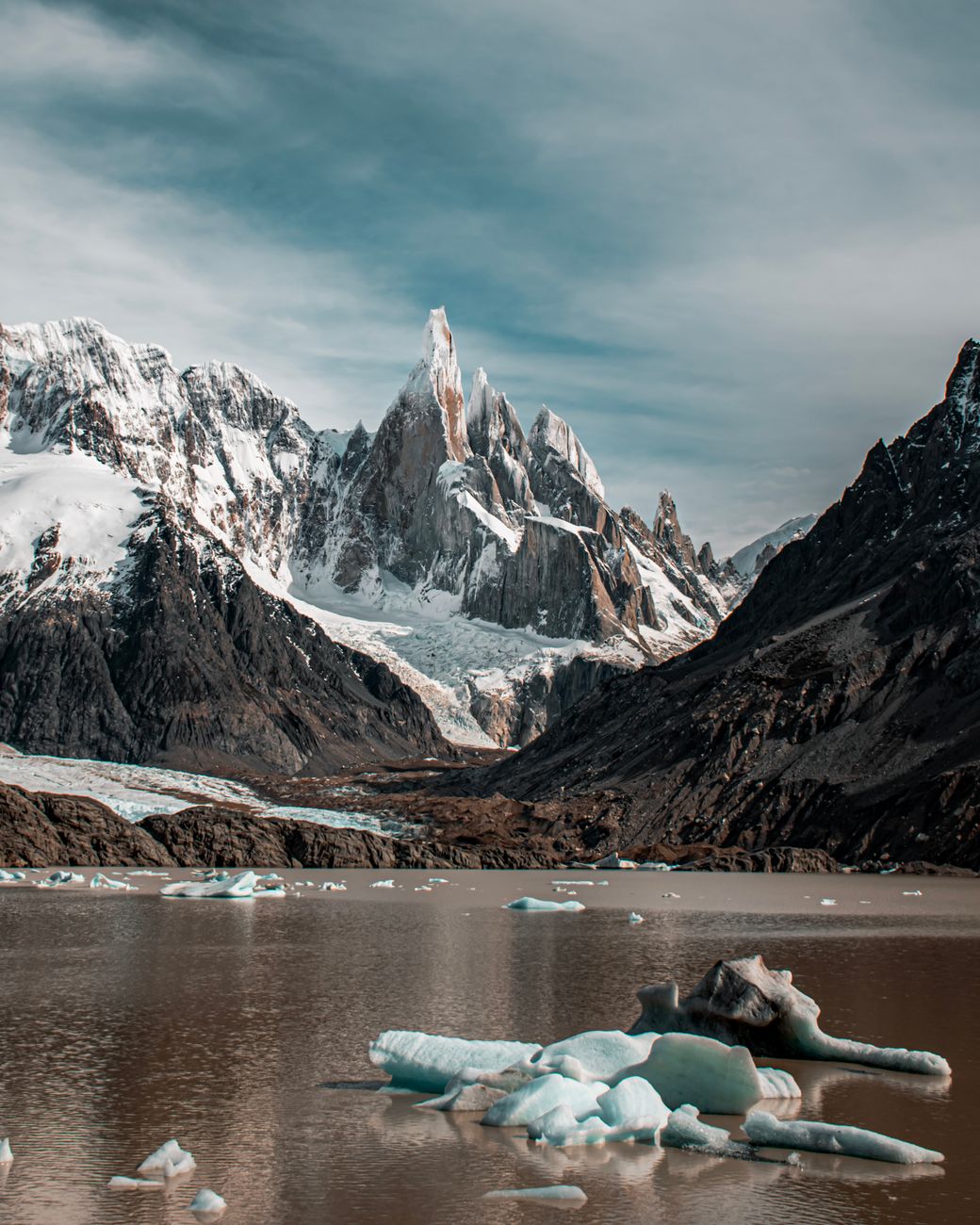 The untamed wilderness flanking Ultima Esperanza sound.
3. The Grey Glacier Wall
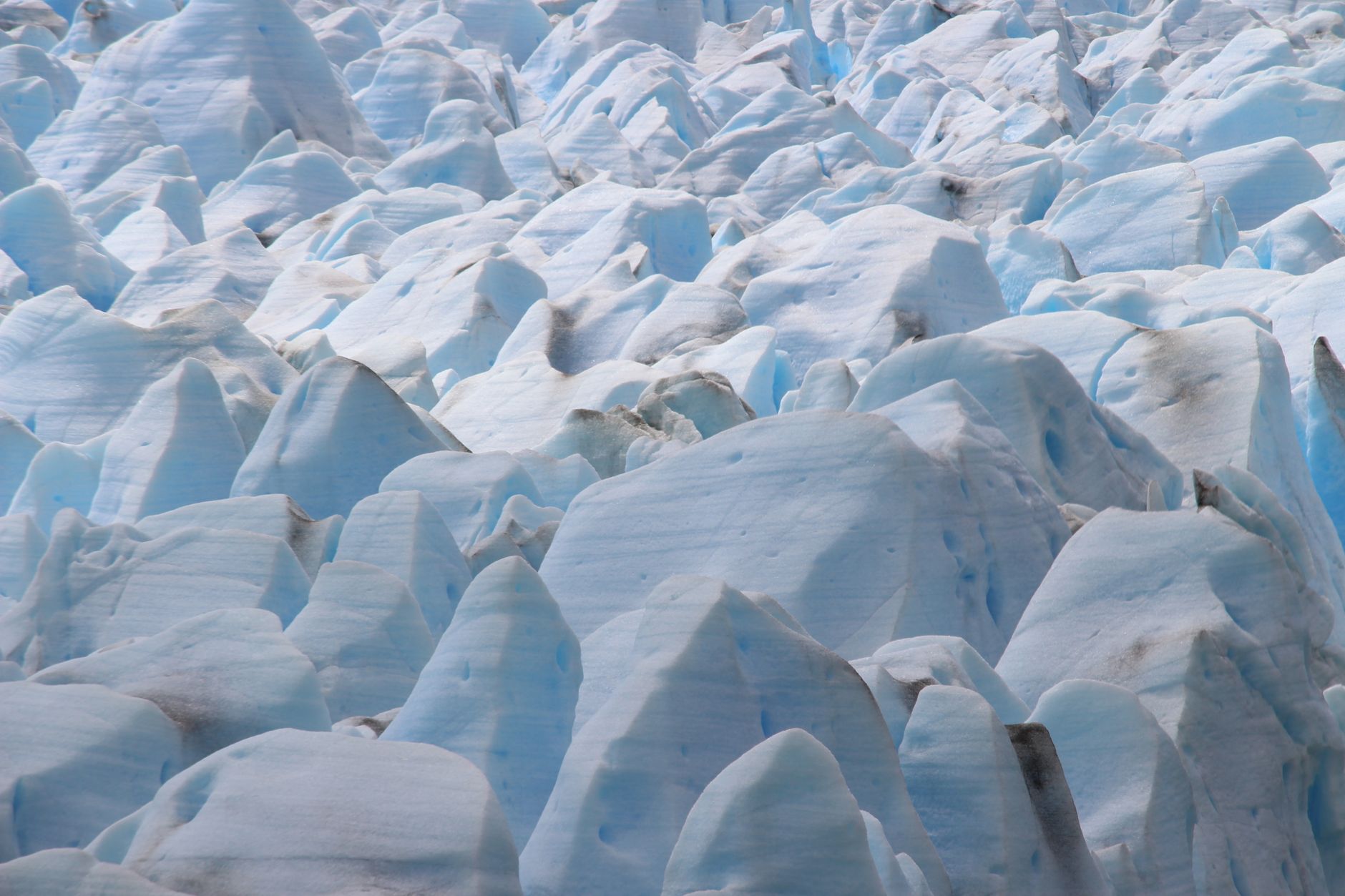
Navigating by wooden cutter boat toward the snout of Glacier Grey brings one face-to-face with millennial ice. The deep cobalt hues within the crevasses result from centuries of atmospheric pressure squeezing air bubbles from the crystallized snow. When a tower of ice shears off into the fjord, the acoustic blast resembles rolling cannon fire.
4. Expedition Logistics
Reaching these reaches requires deliberate pacing. Fly via Santiago to Punta Arenas or Puerto Natales, followed by a three-hour drive across gravel roads. November through March brings prolonged 17-hour daylight, ideal for extended ridge walks and botanical surveys.
Commission a Patagonian Exploration
Receive full access to private ranch reserves, dedicated polar naturalist guides, and off-grid lodges.
Connect with Expedition Team